





How viruses overcome cellular stress
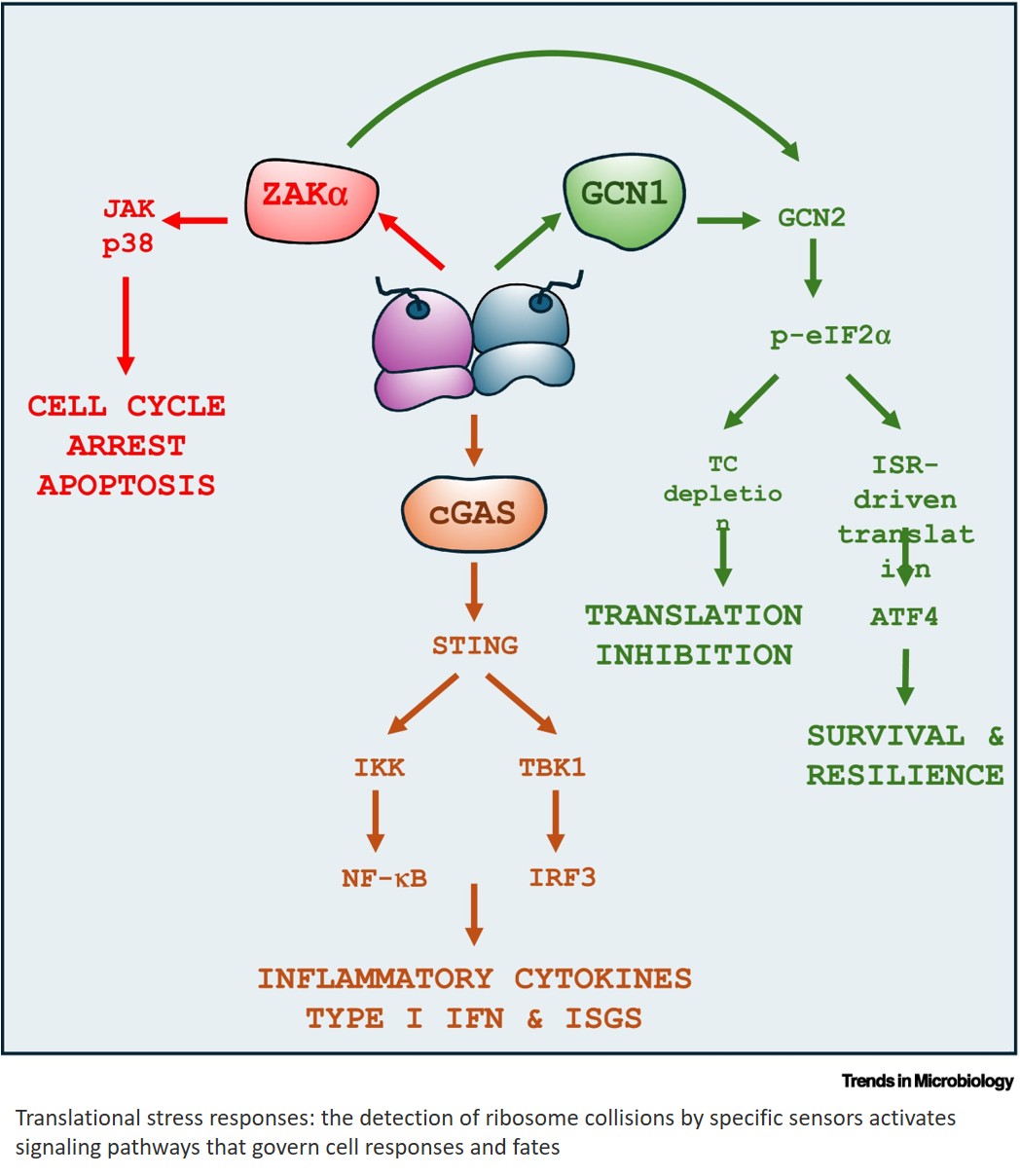
Structural features of viral mRNAs, unconventional translation strategies, and the shortage of tRNAs and amino acids resulting from the rapid translation of viral proteomes trigger translational stress.
Cellular surveillance mechanisms and stress responses—including the ribosome-associated quality control, integrated stress response, ribotoxic stress response, and the innate immune response—address various consequences of translational stress.
Emerging evidence shows that viruses perturb the ribosome-associated quality control to promote the translation of viral mRNAs and to curtail antiviral immunity.
Research in this field holds the promise of uncovering new layers of translational regulation and opening innovative avenues for combating viral diseases.
https://www.cell.com/trends/microbiology/fulltext/S0966-842X(26)00041-7